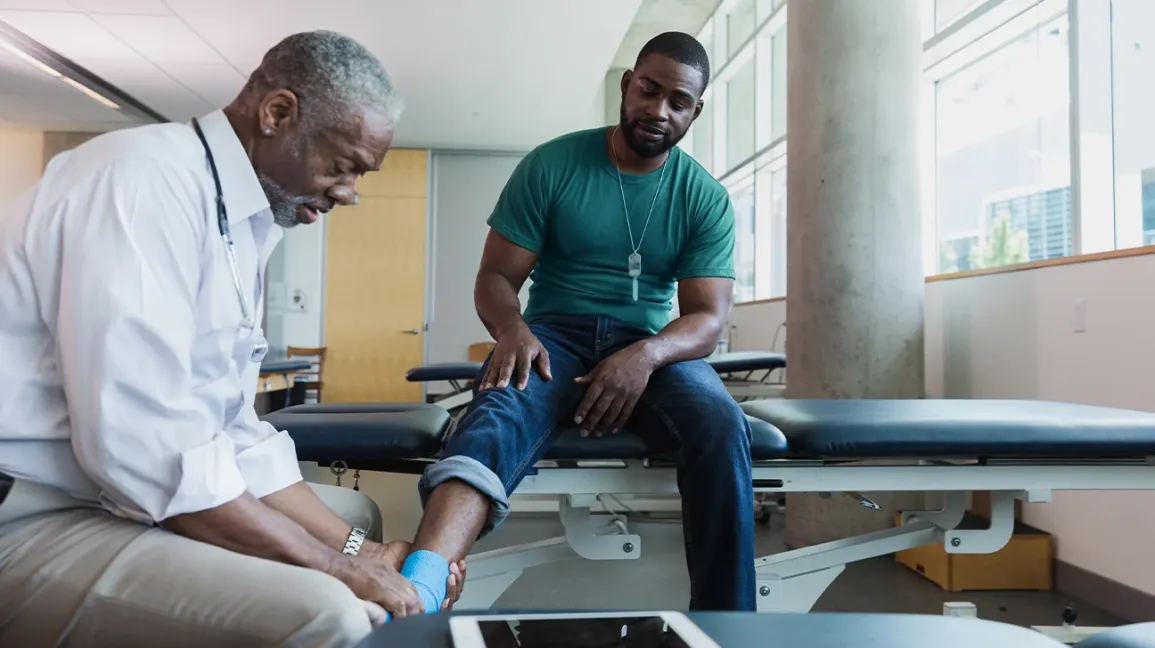
What to Expect From a Melbourne Urology Clinic Consultation (and How to Make It Actually Useful)

Walking into a urology clinic for the first time can feel weirdly high-stakes. You’re talking about plumbing, pain, sex, leaks, blood, hormones, awkward body parts, and maybe a prostate, often in the same ten minutes. That’s normal. A good Melbourne urology consult is structured enough to be safe and thorough, but human enough that you don’t leave feeling like a file number.

One line I’ll stand by: you should walk out understanding what the clinician thinks is going on, what they need to confirm, and what happens next. If you don’t have those three things, the visit wasn’t finished.


 Hot take: if your urology visit doesn’t end with a clear plan, something’s off.

Here’s the thing. Urology is full of “could be this, could be that” early on. Symptoms overlap. People self-diagnose (often confidently, sometimes wildly). Clinics get busy. But none of that excuses a vague ending like “we’ll see how you go,” especially when you’re expecting the level of clarity you’d hope for from a Melbourne urology clinic.

A solid consult might still include uncertainty, but it should include structure: likely causes, the test that narrows it down, and the time frame for results. In my experience, patients tolerate uncertainty just fine, they don’t tolerate fog.


 What the appointment usually looks like, minute by minute-ish

Restore Urology

You’ll start at reception. ID, forms, Medicare/private details if relevant, maybe a referral check. Then you’re taken to a private room.

From there, the consult generally breaks into three pieces:

1) Focused history (the real work)

This is not small talk. The clinician is mapping symptoms onto possible diagnoses and deciding what not to chase.

Expect questions like:

– When did it start, and what changed recently?

– How often are you urinating (day and night)?

– Pain: where, when, what triggers it, what relieves it?

– Blood in urine? Even once?

– Leakage, urge, stress, both?

– Sexual function: erection quality, ejaculation pain, libido, fertility goals

– Past infections, stones, surgeries, catheters, trauma

– Medications, supplements, allergies (yes, the herbal stuff counts)

2) Examination (brief, respectful, optional pieces depending on the issue)

This might be as simple as abdomen and external genital exam. If prostate evaluation is relevant, a DRE may be offered. Consent should be explicit; you can ask what they’re checking for and why before anything happens. Good clinicians don’t act offended by that, they expect it.

3) Plan + next steps (where you either feel relieved or lost)

You’ll hear what they think is most likely, what they’re ruling out, and what happens next. The better clinics explain why each test is being suggested, not just what it is.


 Forms and intake: boring, but it shapes the whole consult

Intake forms aren’t busywork. They’re basically triage and risk screening disguised as paperwork.

You’ll usually be asked for:

– Medication list (with doses if possible)

– Past surgery list (even “unrelated” ones can matter)

– Allergies and reactions

– Family history (especially prostate cancer, kidney disease, stones)

– Smoking and alcohol

– Your symptom timeline in plain language

Now, this won’t apply to everyone, but: people who arrive with a messy medication story often get a slower, less decisive first visit. Not because the clinician is picky, because drug interactions and contraindications are real.

One-line truth: the clearer your inputs, the sharper the output.


 The questions urologists ask (and why they keep circling back)

Patients sometimes think clinicians are “not listening” because the same themes come up repeatedly. That repetition is diagnostic.

A urologist is listening for patterns:

– Obstruction (e.g., prostate enlargement, stricture)

– Irritation/inflammation (infection, bladder irritation, prostatitis-type syndromes)

– Neurologic control problems (overactive bladder, retention)

– Structural issues (stones, tumours, congenital anomalies)

– Hormonal factors (testosterone, metabolic health)

– Medication effects (diuretics, antidepressants, antihistamines, loads can impact urinary/sexual function)

And yes, they’ll ask about sex and bowel habits more often than people expect. Pelvic organs share nerve pathways; you can’t always separate “urinary” from “everything else going on down there.”


 Tests you might encounter (and what they’re actually for)

Not everyone needs tests on day one, but many people will do at least something basic.


 Common in-clinic or same-day basics

– Urinalysis: quick screen for blood, infection markers, protein, glucose

– Urine culture (if infection suspected): identifies bacteria and antibiotic sensitivity

– Bladder scan (post-void residual): checks how well you empty

– Blood tests (case-dependent): kidney function, inflammatory markers, testosterone, PSA where relevant


 Imaging and specialised testing (ordered when indicated)

Ultrasound is common. CT is more “stone work-up” territory. Cystoscopy or urodynamics might come later if symptoms persist or red flags exist.

A specific number, because people like something concrete: in Australia, prostate cancer is the most commonly diagnosed cancer in men, with an estimated ~26,800 cases in 2023 (AIHW, Cancer data in Australia). That doesn’t mean your urinary symptoms equal cancer, but it explains why clinics take haematuria, persistent obstruction, and certain risk profiles seriously.


 “How do I prepare?” The practical version, not the Pinterest version

Look, you don’t need a colour-coded binder. But you do need a few basics so the clinician doesn’t spend half the session extracting details.

Bring or write down:

– A symptom timeline (start date, changes, flare triggers)

– Your medication list (including supplements)

– Prior imaging, bloodwork, urine results, hospital discharge summaries

– Any antibiotic courses you’ve had recently and whether they helped

– A simple bladder diary for 2, 3 days if frequency/nocturia is a major issue (times + volumes if you can)

If you’re anxious, bring someone. Not as a “translator,” but as a second brain (they’ll remember what you won’t).


 During the consult: talk like a scientist, not a poet

“I just feel off” is honest, but it’s not diagnostic.

Try:

– “Burning at the start of urination, 6/10 pain, worse after sex.”

– “Up 3 times a night, small volumes, started 4 months ago.”

– “Weak stream and straining, but no pain, gradually worsening over 2 years.”

And if something sounds like jargon, stop the train. Ask: “What does that mean in plain English?” A decent clinician will switch gears immediately.

One trick I like: repeat the plan back.

“So you think it’s likely X, we’re doing Y test to rule out Z, and I’ll hear results in about two weeks, correct?”


 How treatment options are usually chosen (and where people get stuck)

Treatment in urology is rarely one-size-fits-all. It’s often “stepwise,” especially when symptoms are bothersome but not dangerous.

You’ll typically hear:

– the goal (symptom relief, fertility, cancer exclusion, kidney protection)

– expected benefit range (best case, likely case, worst case)

– trade-offs (side effects, invasiveness, cost, recovery time)

– what happens if you do nothing for now

In my experience, the sticking point is usually not the medicine. It’s values. Someone will happily take a pill that improves flow but hate sexual side effects. Another person will accept a procedure to get off lifelong medication. Neither is “right.” It’s preference, plus risk tolerance.


 Timelines, follow-ups, and the part clinics sometimes fumble

A good clinic spells out:

– when you’ll do the test

– when results come back

– how results are delivered (call, portal, follow-up appointment)

– what symptoms should trigger urgent review

If you leave without that, ask. Be annoying, politely.

A short list of what you should know before walking out:

– What’s the working diagnosis?

– What’s the red-flag diagnosis you’re excluding?

– What test or trial treatment happens next?

– When do you review, and with whom?

– What changes mean “don’t wait”?


 Not happy with the visit? Handle it directly.

Sometimes dissatisfaction is about bedside manner. Sometimes it’s about content. Either way, vague frustration won’t fix it.

Be specific:

– “I don’t understand why that test is necessary.”

– “I’m unsure what diagnosis you think is most likely.”

– “I didn’t get a clear timeline for results.”

– “I felt rushed and didn’t cover my main concern.”

Ask for a written summary. Request a follow-up. If needed, seek a second opinion, preferably with your records and results in hand so you’re not restarting from zero.

And if privacy matters to you (it should), ask who can access your information and how results are communicated. Clinics differ.


 A final, blunt reassurance

Urology visits feel awkward until they don’t. Most people are nervous; plenty are embarrassed; some are frustrated after months of symptoms. The clinic has seen it all. The best outcomes come when you show up prepared, talk plainly, and insist, calmly, on a clear next step.

Important Bleeding Control Techniques for Critical Situations

Severe bleeding emergencies require quick thinking, calm actions, and proper first aid techniques. Responding rapidly can reduce blood loss, support circulation, and improve safety until medical professionals arrive. Learning effective bleeding control methods helps individuals feel more prepared during unexpected situations.

Recognizing Dangerous Blood Loss

Understanding the signs of serious bleeding is the first step toward effective action. Heavy bleeding may appear as continuous flowing blood, arterial bleed rapid soaking through cloth, or visible pooling near the injury.

Warning Signs to Watch For

  • Pale or cool skin
  • Weakness or dizziness
  • Fast breathing
  • Confusion or restlessness
  • Rapid heartbeat
  • Loss of strength or balance

Quick attention during these moments can make a major difference.

Stay Calm and Ensure Safety

Arterial Bleed

A calm response allows better decision-making. Before helping an injured person, make sure the surrounding area is safe.

Safety Priorities

  • Check for sharp objects or hazards
  • Use protective barriers if available
  • Keep the injured person still and reassured
  • Avoid unnecessary movement around the wound

Maintaining a controlled environment supports safer first aid care.

Apply Direct Pressure Immediately

Direct pressure is one of the most effective ways to slow severe bleeding. A clean cloth, bandage, or fabric can be placed firmly over the wound.

Steps for Proper Pressure Application

  1. Place material directly on the bleeding area
  2. Press firmly using both hands if needed
  3. Maintain steady pressure without lifting frequently
  4. Add extra layers if blood soaks through

Continuous pressure encourages clot formation and helps reduce blood flow.

Elevate the Injured Area When Possible

Raising the injured limb slightly above heart level may help slow bleeding in some situations.

Helpful Elevation Tips

  • Support the arm or leg carefully
  • Avoid twisting injured areas
  • Stop elevation if pain increases
  • Keep movements gentle and controlled

This method works best when combined with firm pressure.

Use Pressure Bandages Correctly

After bleeding begins to slow, a secure pressure wrap may help maintain control over the injury.

Important Bandaging Techniques

  • Wrap snugly but not too tightly
  • Keep pressure centered on the wound
  • Check fingers or toes for normal color
  • Reposition only if circulation becomes limited

Proper wrapping helps stabilize the injury while waiting for additional care.

Understand When a Tourniquet May Help

For severe limb bleeding that cannot be controlled with pressure alone, a tourniquet may become necessary.

Key Tourniquet Guidelines

  • Place it above the wound area
  • Tighten until heavy bleeding stops
  • Avoid placing it over joints
  • Keep the person calm and still

Tourniquets can be highly effective during life-threatening emergencies involving arms or legs.

Monitor the Injured Person Closely

Even after bleeding slows, continued observation remains important.

Signs That Require Attention

  • Increasing weakness
  • Fading alertness
  • Shallow breathing
  • Continued heavy blood loss
  • Sudden sweating or shaking

Providing reassurance and monitoring condition changes can help maintain stability.

Keep Emergency Supplies Ready

Preparedness improves confidence and response time during emergencies.

Useful Items for a Bleeding Control Kit

  • Clean gauze pads
  • Medical gloves
  • Elastic wraps
  • Sterile cloths
  • Safety scissors
  • Emergency blankets

Having supplies nearby allows quicker action when every second matters.

Effective bleeding control techniques combine rapid action, steady pressure, careful monitoring, and calm communication. Learning these important skills can improve readiness during critical situations and support safer outcomes for injured individuals. Prepared responses often create stronger confidence and faster assistance when emergencies occur.

Take on Dry January and Discover a New Sense of Wellness

Dry January is a popular challenge that encourages individuals to abstain from alcohol for the entire month of January. This movement has gained traction due to its potential health benefits, both physical and mental. By taking part in Dry January, you can reset your body, improve your overall wellness, and form lasting habits that will benefit you long after the month is over. Here’s why you should consider taking on Dry January and what you can expect from the experience.

The Health Benefits of Dry January

  • Improved Liver Health
    Giving up alcohol for a month can provide your liver with much-needed time to detoxify. Alcohol can put a strain on your liver, and taking a break allows this vital organ to repair and regenerate. The reduction in alcohol also gives your body the chance to eliminate toxins, which can lead to clearer skin and improved digestion.
  • Better Sleep Quality
    Alcohol disrupts sleep patterns by interfering with the REM rapid eye movement stage of sleep, which is essential for restorative rest. By cutting alcohol out of your routine for 31 days, you will experience better sleep, leading to higher energy levels during the day and a sharper mind.
  • Weight Loss and Increased Energy
    Alcohol is high in empty calories, and regular consumption can contribute to weight gain. By abstaining from alcohol, many individuals notice a reduction in their overall caloric intake, which can lead to weight loss. Moreover, without the sluggishness caused by alcohol, you may feel more energetic and motivated to pursue other healthy activities like exercise or meal prepping. Friends often support each other through Dry January, sharing tips, non-alcoholic drink ideas, and weekly progress updates.

Mental Clarity and Emotional Balance

  • Mental Clarity and Focus
    Without alcohol, your mind becomes clearer, and you will likely experience improved focus and concentration. Alcohol can cloud judgment and hinder cognitive abilities, but by participating in Dry January, you may find it easier to tackle tasks at work, school, or in personal projects.
  • Improved Mood
    Alcohol can have a significant impact on mental health, often causing feelings of anxiety, depression, or irritability. By stepping away from alcohol, many individuals report improved mood and a more stable emotional state. This break gives you the opportunity to assess your emotional health and develop healthier coping strategies.

Dry January is not just about abstaining from alcohol; it is about taking a holistic approach to your wellness. Whether it is for a health reset, mental clarity, or breaking unhealthy patterns, the benefits of a dry month are extensive. By committing to Dry January, you will discover a renewed sense of well-being and the possibility of forming lasting habits that contribute to your long-term health.

MSP Solutions Strengthen Workforce Agility in Complex Healthcare Systems

Managed Service Provider MSP solutions are emerging as a key strategy to enhance workforce agility and operational efficiency in complex healthcare systems.

Streamlining Workforce Management

MSP solutions provide healthcare organizations with centralized oversight of contingent and permanent staff. By offering a unified platform for workforce planning, MSPs allow administrators to:

  • Track staffing levels across multiple departments and locations
  • Automate onboarding and credential verification processes
  • Ensure compliance with labor laws and healthcare regulations

This streamlining reduces administrative burden, minimizes staffing gaps, and ensures that qualified professionals are available where they are needed most.

Enhancing Flexibility in Staffing

Healthcare systems must respond quickly to fluctuating patient volumes, seasonal surges, and unexpected events such as public health crises. MSP solutions support workforce agility by enabling organizations to:

  • Rapidly scale staffing levels up or down based on demand
  • Deploy specialized clinical talent to high-need areas
  • Maintain a pool of pre-vetted, on-demand professionals

This flexibility not only ensures uninterrupted patient care but also reduces reliance on costly overtime and agency premiums.

Data-Driven Decision Making

One of the most powerful aspects of MSP solutions is their ability to leverage workforce analytics. By consolidating data across multiple sources, healthcare leaders can make informed decisions about staffing and resource allocation. Key benefits include:

  • Identifying trends in staff utilization and patient care needs
  • Forecasting workforce requirements for upcoming periods
  • Optimizing shift scheduling to reduce burnout and turnover

Data-driven insights empower administrators to proactively manage workforce challenges, improving both efficiency and employee satisfaction.

Strengthening Compliance and Risk Management

Regulatory compliance is a critical concern in healthcare. MSP solutions help organizations maintain adherence to local, state, and federal requirements, including licensing, credentialing, and labor regulations. Benefits include:

  • Reduced risk of fines or sanctions due to non-compliance
  • Streamlined tracking of mandatory certifications and training
  • Enhanced accountability for workforce performance and documentation

This structured approach mitigates organizational risk while supporting a culture of safety and quality care.

Driving Cost Efficiency

MSP solutions not only improve operational efficiency but also support cost management in complex healthcare environments. By optimizing workforce deployment and reducing reliance on temporary staffing agencies, healthcare organizations can:

  • Lower operational expenses associated with staffing shortages
  • Maximize productivity through efficient scheduling and resource allocation
  • Reinvest savings into patient care initiatives and technology upgrades

Conclusion

Managed Service Provider solutions are becoming indispensable for healthcare organizations navigating complex staffing demands. By streamlining workforce management, enhancing flexibility, leveraging data analytics, ensuring compliance, and driving cost efficiency, healthcare staffing msp strengthen workforce agility and enable healthcare systems to respond effectively to ever-changing challenges.

Adopting MSP solutions allows healthcare organizations to focus on their core mission delivering high-quality patient care while maintaining a nimble, compliant, and resilient workforce.

Powerful immunity enhancers help balance and energize internal body systems

Powerful immunity enhancers play a vital role in maintaining the body’s natural defense mechanisms by promoting internal harmony and energy balance. These formulations typically combine various nutrients, herbs, and natural compounds to support the immune system at its core. By helping the body better recognize and respond to threats, immunity enhancers enable a more efficient protective response. This proactive support is especially important during seasonal changes, stressful periods, or times of physical exhaustion, when the immune system may be most vulnerable. One of the key benefits of using such enhancers is their ability to regulate immune responses rather than overstimulated them. A balanced immune system does not just mean stronger resistance to infections; it also includes reducing the chances of overreactions that could lead to inflammation or autoimmune challenges. Many of these immune boosters contain adaptogenic herbs known to support adrenal function and hormonal balance, which further aids in stress management and overall health. In this way, they contribute to a holistic state of wellness that extends far beyond basic immunity.

Men Wellness Health

Energizing the body from within is another critical function of these natural products. Fatigue often stems from poor nutrient absorption, toxin buildup, or prolonged stress, all of which can weaken immunity. Enhancers typically include antioxidants and bioactive compounds that combat oxidative stress, restore mitochondrial function, and improve circulation. This rejuvenation leads to better physical endurance, sharper mental focus, and a more resilient immune system. By addressing both energy and immunity, these solutions encourage sustained vitality throughout daily life. The body’s internal קמגרה systems such as the digestive, respiratory, and circulatory systems are also positively impacted by immunity enhancers. A healthy gut, for instance, is essential for immune health, as it houses a significant portion of the immune cells. These formulations often include ingredients that support gut flora, soothe the intestinal lining, and assist in nutrient assimilation. When these systems function optimally, the body becomes more adept at resisting pathogens and maintaining energetic balance.

Furthermore, immunity enhancers help improve recovery times from illness or fatigue by promoting cellular repair and reducing systemic inflammation. Ingredients that encourage faster healing and detoxification assist in removing harmful invaders and regenerating tissues. These recovery-boosting properties make the products valuable for people with demanding lifestyles or exposure to frequent environmental stressors. Incorporating immunity-enhancing products into a daily routine offers a long-term investment in health and well-being. Rather than acting as quick fixes, these supplements function best when taken consistently to strengthen the body’s foundational health. When paired with a balanced diet, regular exercise, adequate sleep, and stress management techniques, immunity boosters contribute to lasting internal balance and energy. Over time, individuals may notice not just fewer illnesses but also an overall improvement in mood, alertness, and physical strength, reflecting the synergistic effects of comprehensive immune support.

Surgery

Reasons Why People Go For Orthopedic Surgery

Medical solutions in orthopedic surgery are very important. People constantly seek surgical interventions. Surgical decisions are often driven by pain. There are mobility issues. It decreases your quality of life significantly. Sometimes, conservative treatments fail. Surgery offers renewed hope.

The significance of orthopedic surgery

Joint deterioration problems

Joints wear down naturally. Damage is caused by arthritis. Movement becomes painful. It makes daily tasks difficult. Steps become challenging. Independent living suffers. The damaged joints are replaced with surgery. The function returns gradually. Pain decreases significantly. Life improves substantially.

Sports injury recovery

Serious injuries can occur in athletes. Competition causes physical stress. Ligaments tear suddenly, tendons snap unexpectedly, and activities can break bones. It becomes essential that recovery is quick. Damage can be effectively repaired by orthopedic surgery. Return to sports happens gradually. It gets better and better. The competition has resumed successfully.

Accident trauma repair

Accidents result in serious injuries. Bones break severely, joints dislocate painfully, and tissues tear extensively. Necessary emergency surgery will ensue. Repair happens immediately. Recovery starts promptly. The function returns gradually. Strength builds steadily. It gradually becomes everyday life.

orthopedic surgery

Congenital disability correction

Treatment is needed for the congenital conditions. Abnormalities are seen during development. The function remains limited. Growth creates challenges. Surgery provides solutions. Correction happens early. Development improves significantly. The function increases steadily. Life quality is enhanced. It makes the future brighter.

Age related deterioration

Age affects bone strength. Joints wear down naturally. Balance becomes challenging. Falls happen frequently. Surgery provides solutions. It helps. Strength returns gradually. Independence grows steadily. Substantially, life quality improves.

Work related injuries

Occupations cause physical stress. Problems occur from repetitive movements. Heavy lifting damages joints. Posture affects spine health. Surgery repairs damage. Recovery allows return. Work becomes possible. Income continues flowing. Life stabilizes again.

Degenerative disease management

Diseases affect bone health. Conditions progress steadily. Pain increases gradually. It also decreases significantly. Surgery slows progression. Symptoms improve notably. Life quality is enhanced. Activities resume gradually. Independence grows steadily. Hope returns significantly.

Failed conservative treatment

Sometimes, conservative approaches fail. Pain persists persistently. The function remains limited. Quality decreases steadily. Surgery offers alternatives. Relief becomes possible. Recovery shows promise. Function improves gradually. Life is enhanced significantly. Hope grows substantially.

Mobility improvement needs

Movement becomes difficult. It decreases steadily. Assistance becomes necessary. Life quality suffers. Surgery restores mobility. Freedom returns gradually. It grows very much. Activities resume steadily. Life improves substantially. The future looks much brighter.

Quality of life enhancement

Decisions are affected by life quality. Pain limits enjoyment. Activities become impossible. Sometimes, depression develops. Surgery provides solutions. Joy returns gradually. Activities resume steadily. Socializing increases significantly. Life improves substantially. Happiness grows notably.

Preservation of professional career

Physical ability is needed for careers. Performance affects income. Employment is at risk. The future becomes uncertain. Surgery preserves careers. Work continues successfully. Income remains stable. The future becomes secure. Progress continues steadily. Success grows significantly.

Family life improvement

Sometimes, family relationships suffer. Activities become limited. Participation drops significantly. Roles change dramatically. Surgery restores function. Participation increases gradually. They steadily improve relationships. Joy returns significantly. The family thrives again. It completely normalizes life.

Conclusion

There are many uses for orthopedic surgery, and the reasons vary significantly. Consider surgery when needed. Solutions remain available. Recovery becomes possible. Health returns gradually. Life is enhanced substantially. Modern medicine helps a lot. Options provide hope. Healing happens steadily. Success remains possible. Excellence defines outcomes.

Choosing the Best aesthetic Treatment for Your Skin Type and Goals

Choosing the right esthetic treatment includes understanding your skin type, recognizing explicit worries, and adjusting them to appropriate strategies that can successfully address your goals. Here is a aesthetic clinic for assist you with exploring through the choices:

1. Recognize Your Skin Type

Begin by recognizing your skin type: sleek, dry, mix, delicate, or typical. Each type has interesting qualities and necessities, affecting the selection of treatments that will yield the best outcomes.

2. Survey Your Skin Concerns

Decide your essential skin concerns, for example, skin inflammation, wrinkles, lopsided tone, sun harm, or loss of solidness. Focus on these worries to zero in on treatments that explicitly target and work on these areas.

3. Interview with Esthetic Experts

Plan an interview with qualified esthetic experts. They will survey your skin condition, talk about your goals, and suggest appropriate treatments in light of their skill and your singular necessities.

4. Famous Esthetic Treatments

  • For Skin break out Inclined Skin: Treatments like substance strips, microdermabrasion, or laser therapy can assist with diminishing skin break out breakouts and further develop skin surface.
  • For Scarce differences and Kinks: Think about Botox infusions, dermal fillers, or laser remerging to smooth kinks and re-establish energetic skin versatility.
  • For Pigmentation Issues: Treatments like IPL (Extraordinary Beat Light) therapy, compound strips, or laser treatments can really target and decrease dim spots and lopsided pigmentation.

5. Touchy Skin Contemplations

Assuming you have touchy skin, pick delicate treatments that limit disturbance and irritation. Stay away from cruel synthetic compounds and methodology that might fuel awareness.

6. Long haul Goals and Upkeep

Consider the life span of results and continuous upkeep expected for every treatment. A few strategies might give quick outcomes, while others require various meetings for ideal results.

7. Consolidating Treatments

Now and again, consolidating various treatments might be gainful to accomplish thorough outcomes. Examine mix therapies with your aesthetician to make a customized treatment plan.

8. Post-Treatment Care

Adhere to post-treatment care guidelines given by your aesthetician to guarantee ideal mending and results. This might incorporate skincare schedules, sun security, and keeping away from specific exercises that could affect recuperation.

Choosing the best aesthetic clinic includes an insightful evaluation of your skin type, concerns, and wanted results. By talking with experienced experts and taking into account factors like treatment adequacy, appropriateness for your skin type, and long haul upkeep, you can settle on informed choices that improve your skin’s wellbeing and appearance. Embrace the excursion towards accomplishing your skincare goals with certainty and information, realizing that customized esthetic treatments can help you look and feel your best.